
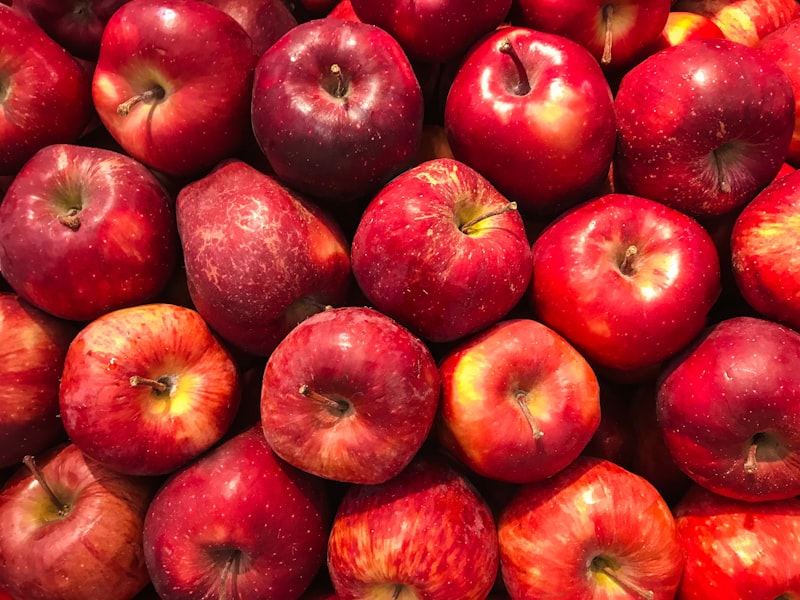

Juice Production Equipment Overview
Fruit juice, nectar, and smoothie production requires equipment that can handle thermally sensitive, pulpy, or viscous products while ensuring microbiological safety. The choice between hot fill, aseptic cold fill, or carton-based packaging (Tetra Pak, SIG Combibloc) fundamentally shapes the entire production line configuration and investment level.
Used juice filling equipment from manufacturers such as Krones, KHS, Sidel, GEA, Tetra Pak, SIG, and others offers established producers and new entrants the opportunity to access established technology at reduced cost. The secondary market for juice equipment is particularly active as the industry evolves toward lighter packaging and cold-chain alternatives.
Filling Technologies for Juice
Hot Fill Technology
Hot filling is the most widely used preservation method for juice in PET and glass bottles. The product is heated to 85–95°C and filled hot into containers, which are then inverted to sterilise the closure area, and cooled. Hot fill is economical, established, and does not require sterile filling environments. However, PET bottles for hot fill must be heat-set, resulting in heavier bottles than standard PET.
Used hot fill lines from Krones, KHS, and Sidel are regularly available. Key evaluation points: heating system condition (plate or tubular heat exchanger), fill valve seal integrity at elevated temperatures, and bottle handling for heat-set PET containers.
Aseptic Cold Fill
Aseptic filling sterilises the product and container separately, then fills in a sterile environment. This allows the use of lightweight standard PET bottles and preserves heat-sensitive vitamins and flavours better than hot fill. Aseptic fillers from Sidel (Aseptic Predis), Krones (Asept), and GEA are complex machines that require rigorous maintenance and validation.
Used aseptic fillers are less common on the secondary market and are regularly available. They require qualified personnel for operation and validation, making them more suitable for larger producers with established quality teams.

Carton Packaging (Tetra Pak Alternatives)
Carton-based aseptic packaging (Tetra Pak, SIG Combibloc, Elopak) is widely used in the ambient juice market globally. While Tetra Pak machines are widely used, the secondary market for these machines is limited by proprietary packaging material requirements and service agreements. Producers seeking alternatives to Tetra Pak-style packaging often consider PET bottles with hot fill or aseptic technology.
Pasteurisation Equipment for Juice
All commercial juice requires pasteurisation for safety and shelf life. The two main approaches are:
| Method | Temperature / Time | Application | Equipment |
|---|---|---|---|
| Flash pasteurisation | 95°C for 15–30 seconds | Before filling (hot fill or aseptic) | Plate or tubular heat exchanger |
| Tunnel pasteurisation | 65–75°C for 20–30 minutes | After filling (in-bottle/in-can) | Tunnel pasteuriser |
| UHT treatment | 135–150°C for 2–4 seconds | Ambient shelf life products | Tubular or scraped surface heat exchanger |
What Juice Producers Search For
- Used juice filling machine — hot fill or aseptic filler for fruit juice
- Used hot fill bottling line — complete PET line for ambient juice
- Used flash pasteuriser — plate heat exchanger for juice pasteurisation
- Used fruit processing equipment — extraction, centrifuge, filtration
- Used Tetra Pak machine — carton filling equipment for juice
- Used aseptic filling line — sterile cold fill for juice and smoothies
- Used juice mixing system — blending, dosing, and preparation equipment
- Used UHT plant — ultra-high temperature processing for juice
- Used glass bottle juice line — hot fill for premium glass packaging
- Used smoothie filling equipment — handling of pulpy and viscous products

Product-Specific Considerations
Different juice products present different challenges for filling equipment:
- Clear juice (apple, grape): Standard filling valves, easy to handle, minimal special requirements
- Pulpy juice (orange with pulp): Requires filling valves with larger passages, special pumps, and stirred tanks to prevent pulp separation
- Smoothies and thick products: Need positive displacement pumps, wide-bore valves, and may require heated product lines to maintain flow
- Concentrated juice: High sugar content requires materials resistant to sugar crystallisation and thorough CIP protocols
- Organic juice: Equipment must support segregation protocols and thorough cleaning between organic and conventional runs
Energy Efficiency in Juice Production
Thermal processing is the largest energy cost in juice production. When evaluating used equipment, check heat recovery systems. Modern pasteurisers recover 90–95% of thermal energy through regeneration sections. Older equipment without effective heat recovery can consume 2–3 times more energy. A well-maintained used pasteuriser with good heat recovery can be more economical than a lower-cost unit without this feature.
Frequently asked questions
How much does a used juice filling line cost?
Small used hot fill lines (2,000–4,000 BPH) typically cost €100,000–€250,000. Medium lines (6,000–12,000 BPH) range from €250,000–€600,000. Aseptic lines command significant premiums, often 2–3 times the cost of equivalent hot fill lines. Prices vary based on included pasteurisation equipment and automation level.
Is hot fill or aseptic better for juice?
Hot fill is simpler, lower cost, and suitable for most ambient juice products. Aseptic provides better flavour and vitamin retention, allows lighter PET bottles, but requires higher investment and more complex operation. For new entrants, hot fill is typically recommended as the entry point.
Can I bottle juice and water on the same line?
Technically possible but not recommended for high-volume production. Juice requires thorough CIP between runs, and hot fill equipment is overbuilt for water. Many producers operate separate lines for juice and water products. However, for small operations, a single line with proper changeover procedures can handle both.
What shelf life can I achieve with hot fill juice?
Hot fill juice in properly sealed PET or glass containers typically achieves 6–12 months shelf life at ambient temperature. Factors affecting shelf life include pasteurisation adequacy, headspace oxygen, container barrier properties, and storage conditions.