
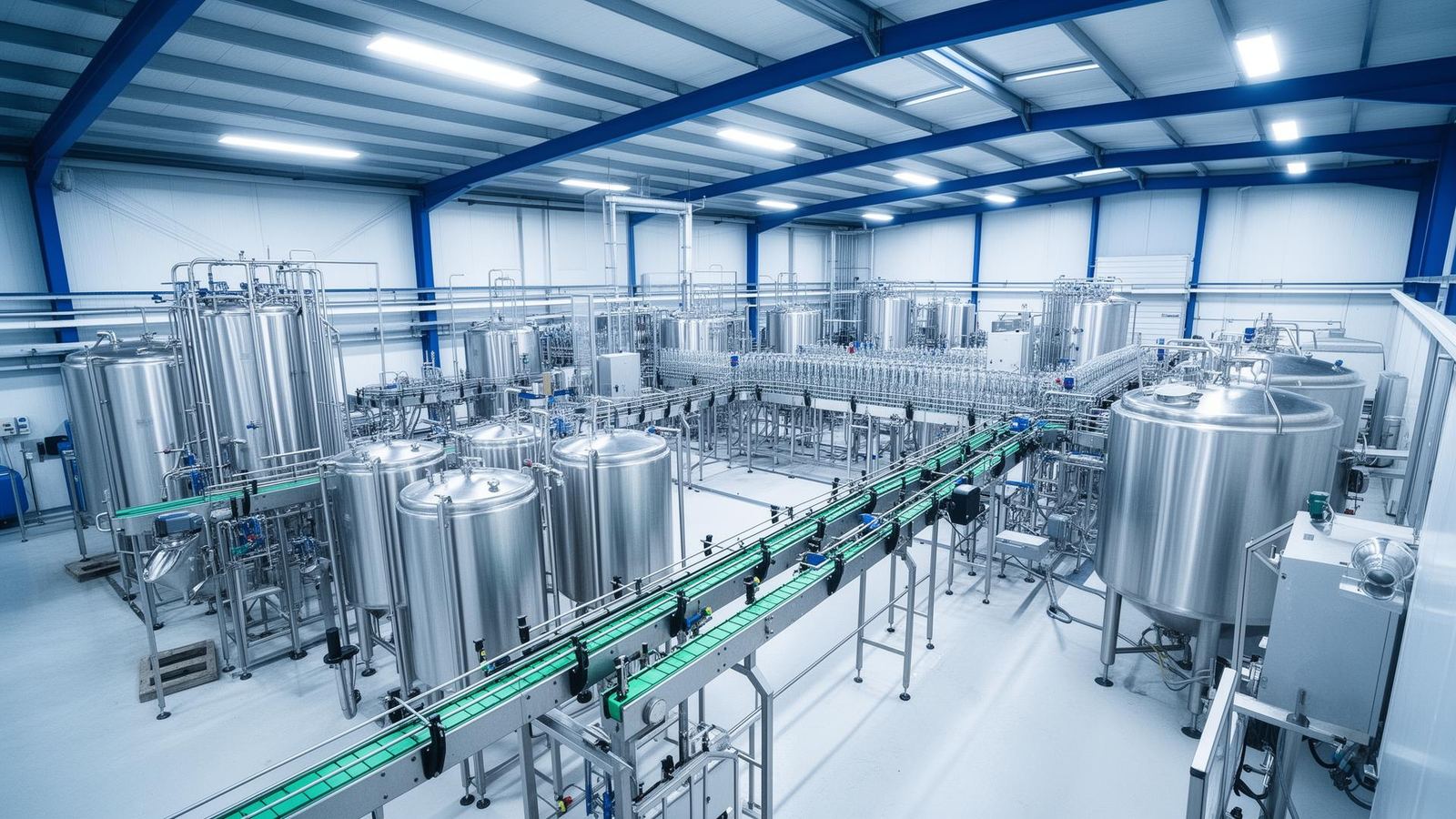
A returnables change has two flows to control: empty containers arriving from distribution and the finished pack leaving the line. Record the bottle and crate on separate rows. A new bottle may need different guides while the existing crate remains in circulation.
Plan both flows
| Stage | Empties arriving | Finished packs leaving |
|---|---|---|
| Format identification | Bottle and crate references plus photos of labels still in circulation. | Approved pack reference with bottle and crate drawing revisions. |
| Receiving and sorting | Areas for old stock, trial formats and damaged returns. | Assigned space for the first conforming batch and retained samples. |
| Machine interfaces | Check crate separator, bottle handling and return sorting. | Verify crate packer, pallet pattern and downstream handling. |
| Release | Agree how to deal with old references during the overlap. | Confirm release checks and first pallet destination. |
Take a returned crate sample from real circulation as well as a new one. Wear and mixed stock can affect what an operator sees at delivery. Give the candidate machine supplier the dimensions that control each transfer.
Illustrative overlap. The new bottle is approved for dispatch in crate B, while crate A still returns from distributors. Route crate A through the agreed empty-crate sorting check. Use crate B for finished output until a confirmed trial changes the release. Record which crates and bottles were present at each interface.
Use the guide to used returnable and one-way glass lines to identify the bottle and crate interfaces to include in the quotation.
Send bottle and crate drawings plus volumes for both returnable flows