
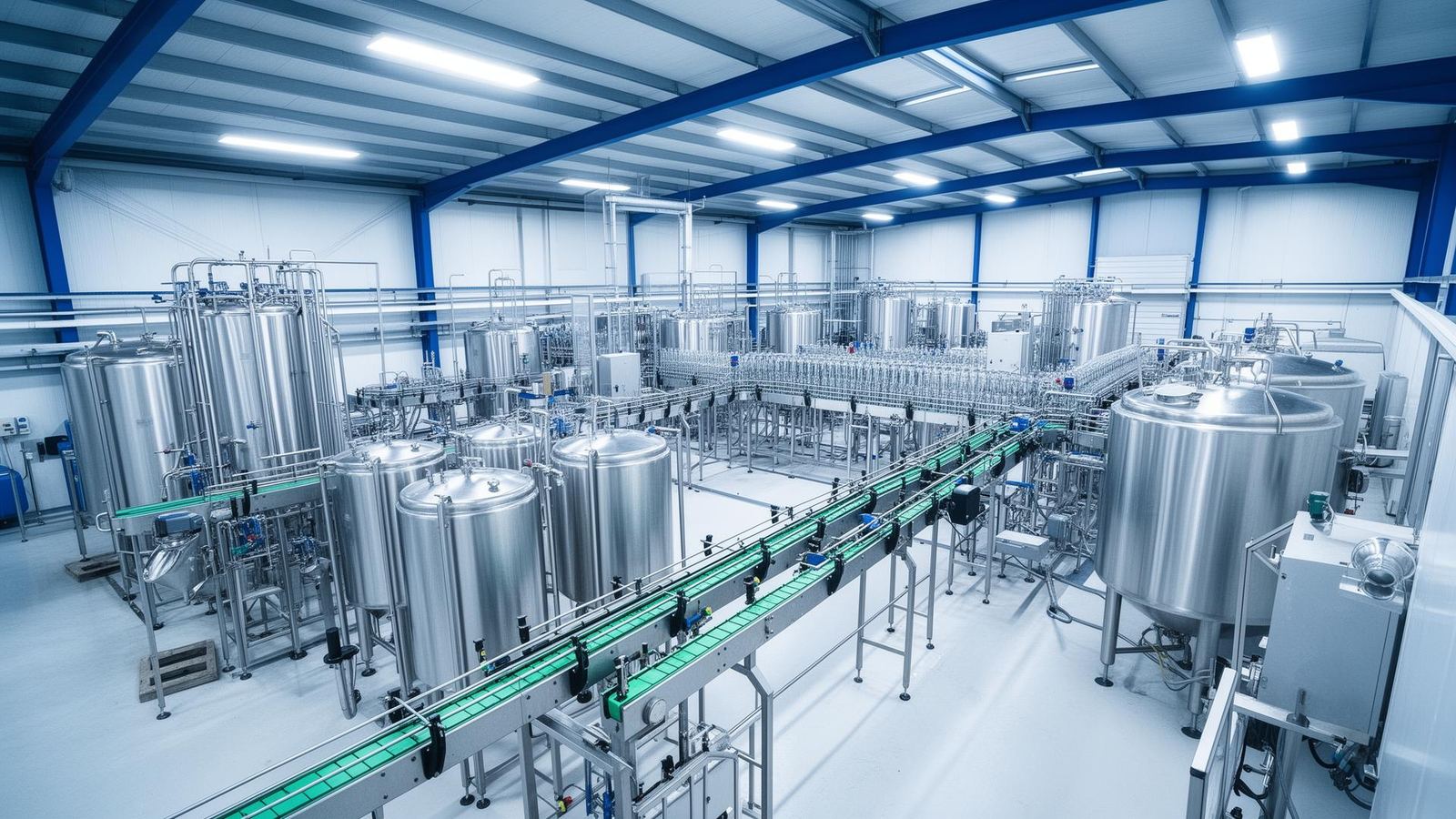
The Filler: Heart of Every Bottling Line
The filling machine is the most critical and often the most expensive component of any bottling line. It directly determines line speed, product quality, and operational efficiency.
Filling Valve Architecture: Mechanical vs Electronic
Understanding the valve type is fundamental to evaluating a used filler.
Critical Mechanical Inspection Points
Remove several filling valves from the carousel and inspect valve seats, seals, and valve bodies.
CIP System Evaluation
- CIP cup condition for each valve
- Return circuit flow verification
- Temperature capability confirmation
- Spray ball coverage in tank-equipped fillers
- Valve actuation during CIP cycles
Control System Assessment
- PLC platform identification
- HMI generation and software compatibility
- Servo drive condition and error logs
- Sensor inventory verification
- Network architecture assessment
Performance Verification
Filler Performance Checklist
- Actual filling speed measurement over 30+ minutes
- Fill level consistency across valve positions
- Valve-to-valve variation analysis
- Changeover time observation
- Foaming behaviour for carbonated products
- Drip/spill frequency monitoring
- CIP cycle execution observation
- Reject rate monitoring
- Noise and vibration assessment
Frequently asked questions
How do I determine the actual condition of a filling valve?
Remove 3–5 valves from different positions on the carousel. Inspect seals for compression set, valve seats for scoring, and check spring tension on mechanical valves.
Can a mechanical filler be converted to electronic filling?
Yes, many filler platforms support valve conversion. Costs range from €30,000 to €150,000 depending on the number of filling heads.
What is the most expensive repair on a used filler?
Main bearing replacement is typically the most expensive, ranging from €15,000 to €60,000 depending on machine size.
What fill accuracy should I expect from a used machine?
A well-maintained mechanical filler should achieve ±2–5 ml accuracy. Electronic flow-meter fillers should achieve ±0.5–1 ml.